
Digital marketers have treated cookies like fairy dust for years now. Sprinkle some code in here and there, you knew just who was doing what, where and when.
But now the cookie jar is empty.
In 2025, third-party cookies were officially laid to rest and the internet is getting a makeover that is long overdue.
Privacy is in, snooping is out and marketers everywhere are being forced to change.
Some are scrambling. Others are thriving.
So what happens when the cookie crumbles? How do businesses reach customers at all and continue to measure results without the digital crumbs we all used for decades?
We will break it down for you.
Why the Cookie Crumbled
Once upon a time cookies were the lifeblood of digital marketing. They helped advertisers follow the user across websites, building voluminous profiles that enabled everything from re-targeting advertising to conversion tracking.
The problem was this, It got a little creepy.
People didn’t like to be followed, the regulators got into the act and the browsers tightened up the privacy settings.
Safari and Firefox got in early, blocking third party cookies by default years ago.
And then in 2025 it was Google Chrome, which continues to maintain over 60% of the global market in browsers, that pulled the plug.
So it’s official, third party cookies are gone and the marketers can no longer rely on passive tracking for knowledge of audiences.
But rather than being a disaster, it has caused innovation.
All Businesses Must Think Differently
Since we can’t rely upon cookies, we’ll be forced to come up with new ways to gather data. Think earning data, not borrowing data.
We will have to build our relationships with customers on the basis of trust rather than intrusiveness.
What does this look like?
●Your business’s first-party data becomes the foundation, the data you collect from your own customers.
●Contextual targeting becomes important again.
●Storytelling becomes the primary driver of engagement.
It’s no longer about spying on your customers, it’s about listening to them.
First Party Data: The New Gold Rush
First-party data is the MVP of privacy first marketing. That is the data you collect from your own customers. This data could be collected in different ways such as through your website, via e-mail, or through your forms etc. It’s clean, consented to and 100 per cent owned by you.
Coca-Cola and Nike have relied on this method of collecting data from their customers. Nike’s membership program, for example, provides members with exclusive offers and early product releases in exchange for the data provided by members. All of this is without using cookies and third party tracking.
Australian e-commerce businesses have been shifting their focus to developing their own email lists and loyalty programs as the core source of data for their businesses as well.
And it actually works!
At Slinky, we help businesses create methods for people to share their information.
We can assist with creating a variety of different types of lead magnets, high-value newsletters, and improving your CRM system, to name a few.
Ultimately, it comes down to creating a fair trade between your business and your customer.
It’s not rocket science, but respect.
Contextual Advertising
Do you remember the good old days of contextual advertising? You would see a surfboard ad on a surfing website and it would make sense.
Then cookies showed up and before long that surfboard ad was showing up on a news website, a blog about recipes and even LinkedIn.
However contextual advertising is making a comeback but this time, it’s supported by smarter technology.
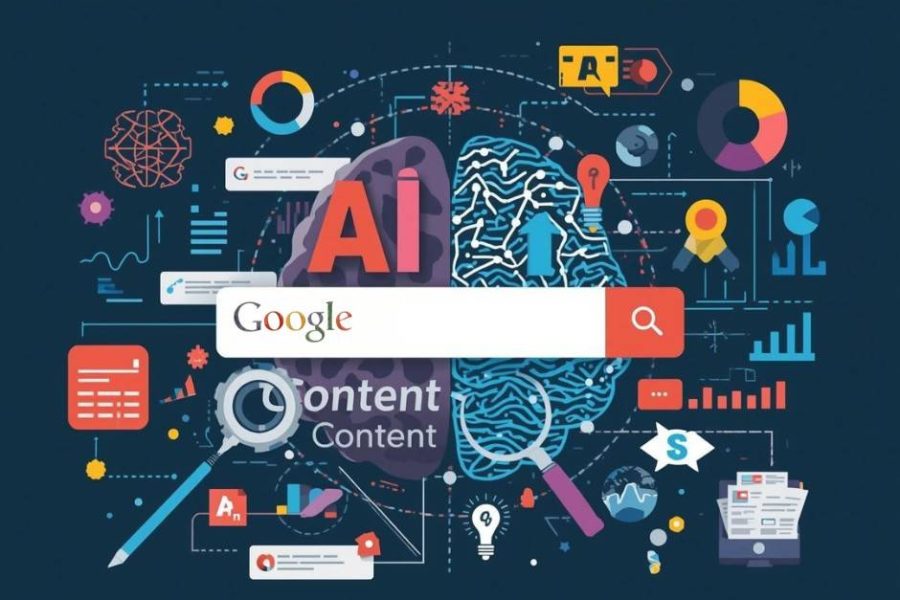
Artificial intelligence (AI) can now understand the meaning, tone and even emotions of a web page.
Therefore, instead of just matching ads to keywords, AI can match ads to the content of the web page itself.
For example, if someone is reading a blog about healthy recipes then that means they may see an ad for kitchen equipment or fitness classes.
Google’s own testing has demonstrated that contextual ads can perform almost as well as ads that are targeted to specific audiences.
Slinky’s advertising experts are currently utilising contextual advertising tools within Google Ads and Display campaigns to increase the relevance of ads, while remaining fully compliant with all applicable privacy regulations.
It’s proof that creativity can outperform surveillance.
Consent Is The New Conversion
Almost every website today has a cookie pop-up or consent checkbox. While many users see this as a nuisance, the best marketers use these as an opportunity to build trust.
Transparency builds trust. So being as open and honest with your customers as you can is a way more effective way to build a real, loyal and returning customer base.
Spotify and The Guardian have redesigned their consent banners to explain why they are collecting certain types of data. They use simple language so their users can easily understand what is happening and this process has increased their opt-in rates.
Slinky assists its clients in creating similar messaging, we help you create blogs and landing pages that sound like a person, not a robot.
“Join our newsletter for weekly tips that actually work” will convert much better than “Subscribe for marketing updates.”
It’s a small change but it makes a huge difference. You shift from using their personal information to adding value to their actual lives.
Creativity
The last decade of marketing was dominated by algorithms. The next decade will belong to the artists.
The lack of tracking capabilities has placed the spotlight back on content and creativity.
Think about businesses such as Patagonia and Airbnb.
These organisations don’t rely on micro-targeting, they rely on their purposes. Their followers enjoy their content because it resonates or is useful, not because the algorithm forced it on them.
This is beneficial news for small businesses. Small businesses do not need large databases to succeed. They need a brand image, a content strategy and a way to put that content out in the world for people to see and connect with.
This is exactly where Slinky’s integrated strategy excels, by combining SEO, Content Marketing, and Paid Advertising into one cohesive strategy.
Privacy Builds Trust, Trust Builds Sales
Consumers in 2025 are informed. They understand that their data is valuable and they expect brands to treat their data accordingly.
To businesses this means being open and honest about how their business collects and uses data.
Slinky works with clients to include transparency as a component of their brand voice, not as a legal disclaimer but to build trust with their customers.
How Digital Marketers Adapt to the New Environment and Thrive
In this new landscape of digital marketing, what sets successful marketers apart from the others? What are the most successful marketers doing?
●They have ownership of their customer data, this means they build their own first-party data system and email list.
●They develop great content strategy, this includes great blog posts, guides, videos etc. that drive organic traffic to their website.
●They have developed smart ways to analyse data, things like GA4, CRM insight, server tagging for a clean, privacy-compliant dataset.
●They reinvent their advertising approach, they use contextual placements and storytelling to create an engaging experience.
●They partner with agencies like Slinky that have expertise in balancing performance with compliance.
It is not about abandoning everything that has worked, it is about improving it.
The end of cookies feels a bit like losing an old friend. But maybe it was a friend who overstayed their welcome.
Marketing in 2025 will no longer be based on tracking customers across the web, but rather on creating an opportunity for customers to opt in to and engage with the value that we create.
If your company would like to achieve the same success Slinky can help you achieve this.
Who needs cookies when we have the trust of our customers, creativity and correct application of customer data?